{STORYTITLE}
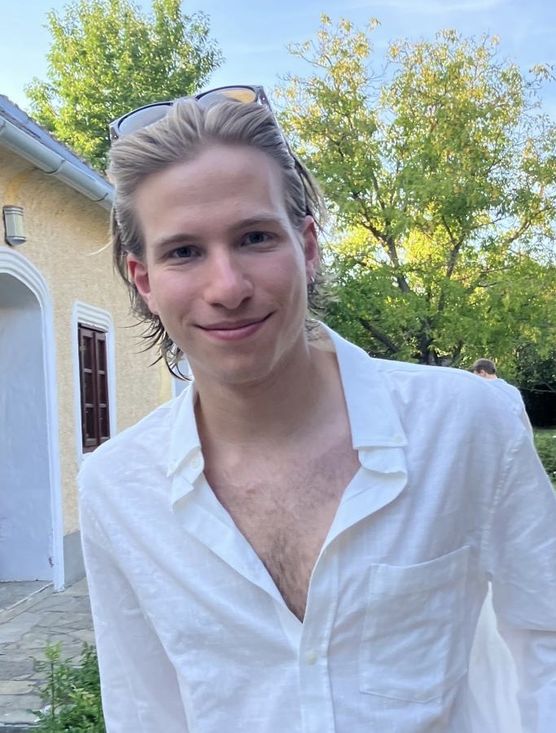
Name: Andris
Country of residence: Hungary
Writing language: Hungarian
Read story below!

Story language
Once a Shomer, always a Shomer
Egyszer shomer, mindig shomer
Míg sokak pontosan vissza tudnak emlékezni arra a pontra vagy meghatározó élményre amely alapjaiban határozta meg, vagy formálta a zsidóságukat, addig az én életemben nem volt ilyen pillanat. Úgy gondolom, hogy már a születésem percétől kezdve, az első levegővételemmel bekerültem abba a magyar zsidó/zsidó magyar légkörbe, amely tulajdonképpen mind a mai napig formálja a gondolkodásmódomat és az értekrendszeremet.
Ha őszinte vagyok, akkor nem állíthatom, hogy ezt az imént általam is használt megkülönböztetést ‒ zsidó magyar vagy magyar zsidó ‒ mindig teljesen érteném. Ennek ellenére ‒ és akkor ez is lehet, hogy a zsidóságomból fakadóan ‒ természetesen van erről (is) véleményem. Ha választanom kellene, én egy magyar zsidó vagyok. Legalábbis ez szeretnék lenni.
Tulajdonképpen már öt teljes éve Angliában élek. Először a Manchesteri Egyetemen tanultam filozófiát és teológiát. Míg inkább az utóbbi terülten érzem komfortosan magamat, addig az előbbi tudomány esetenként annyira megrémiszt, hogy nem is mindig említem meg, hogy tanultam filozófiát.
Miután búcsút intettem Manchesternek, Londonba költöztem és az ORZSÉn (Országos Rabbiképző ‒ Zsidó Egyetem) folytattam (online) a tanulmányaimat. Itt elvégeztem a Zsidó Kultúratörténet szakot, amit nagyon élveztem. Mindkét egyetemi környezetet ‒ mind az angliait, mind pedig a magyart ‒ nagyon kedveltem és inspirálónak tartottam. Magunk között szólva egyik szak sem arról híres, hogy túl sokan járnának rá, de pont emiatt még több lehetőség van arra, hogy értékes beszélgetéseket folytassunk az oktatókkal.
Ahogyan Manchesterben, úgy Londonban is aktív zsidó életet élek, a közösségben dolgozom. Egy zsidó iskolában vagyok felelős az informális oktatási programok szervezéséért és koordinálásáért. A jelenlegi munkahelyem előtt egy másik, igen ismert, ugyancsak londoni zsidó szervezetnél tevékenykedtem, hasonló munkakörben. Úgy érzem, hogy az elmúlt két év során igen jól megértettem, hogy hogyan működik a londoni ‒ és kicsit az angliai ‒ zsidó élet és össze tudom hasonlítani a magyarországi tapasztalataimmal. Mindezekből kiindulva, s a történetem elejére visszautalva állíthatom, hogy magyar zsidónak lenni az egyik legkülönlegesebb érzés, számomra pedig talán a legfontosabb.
A családom aktív vallási és közösségi életet élt mind a háború előtt, mind a szocializmus alatt, mind pedig utána. Nagyon hálás vagyok azért, hogy a két testvéremmel együtt engem is hasonló szellemben neveltek fel. A tapasztalataim szerint nem sok olyan neológ család van, akik aktívan ápolták a hagyományainkat nagyobb megszakítások nélkül. Ez az állandó kapcsolat személyesen arra ösztönöz, hogy én is segítek abban, hogy ez a lánc ne szakadjon meg. Nagyon romantikus gondolatnak tartom ‒ és ez az ami talán a legjobban hiányzik Londonban ‒ azokon az utcákon sétálni és azokban a zsinagógai padokban ülni, ahol az elődeim is helyet foglaltak. Budapesten és az egész országban temérdek lehetőség van arra, hogy valaki aktív közösségi életet éljen. Nekem elsősorban a szarvasi tábor és a Hashomer Hacair ifjúsági szervezet mutatta meg, hogy milyen fantasztikus élmény együtt “zsidulni”. A szarvason töltött nyarak életem legszebb emlékei közé tartoznak. A Somerbe is tulajdonképpen Szarvas miatt kerültem. Ha jól emlékszem, a someres madrichok ‒ akik egy része Szarvason is aktív volt ‒ azzal csábították a gyerekeket, hogy a Somer tulajdonképpen olyan mint ez a tábor, csak minden pénteken lehet menni. Így kezdődött a még mai napig is tartó Someres aktivizmusom. Azért írom, hogy még mindig someres vagyok, mert van egy olyan mondás, hogy Paam somer tamid somer ‒ Aki egyszer someres, az örökre someres. Azok az értékek, gondolatok, kapcsolatok és barátságok amelyeket a péntek esték, táborok és külföldi utazások során szereztem egy életre elkísérnek majd.
Ugyan a legtöbb londoni zsidó család már több generáció óta elvándorolt Európából, de miután kiderül, hogy magyar vagyok, természetesen továbbra is előszeretettel említik meg, hogy melyik környező országban született a nagymamájuk vagy a dédnagymamájuk. Ezek azok a pillanatok, amelyekben ‒ es ezzel senkit sem szeretnék megbántani ‒ még inkább úgy érzem, hogy a magyar zsidóságom egy cseppet ‒ számomra ‒ különlegesebb.
A hosszútávú jövőre nézve az a tervem, hogy egyszer majd újra otthon éljek. Szeretném felhasználni a külföldi tapasztalataimat és tovább építeni a közösségünket. Hiszen magyar zsidónak lenni csodálatos, és ha nem most akkor mikor?
Where did all begin?
While many people can recall a precise point or defining experience that profoundly defined or shaped their Jewishness, there was no such moment in my life. I believe that from the moment of my birth, with my first breath of air, I was immersed in the Hungarian Jewish (not just Hungarian) atmosphere that has shaped my way of thinking and my system of values to this day.
If I am honest, I cannot say that I always fully understand the distinction I have just used - Jewish Hungarian or Hungarian Jew. Nevertheless - and then again, this may be due to my Jewishness - I do (also) have an opinion on this, of course. If I had to choose, I am a Hungarian Jew. At least I would like to be.
While many people can recall a precise point or defining experience that profoundly defined or shaped their Jewishness, there was no such moment in my life.
The move to the UK
In fact, I have lived in England for five full years. I first studied philosophy and theology at the University of Manchester. While I feel more comfortable in the latter field, the former has sometimes frightened me so much that I don't always mention that I studied philosophy.
After saying goodbye to Manchester, I moved to London and continued my studies (online) at ORZSE (National Rabbinical School - Jewish University). Here I did a degree in Jewish Cultural History, which I really enjoyed. I found both university environments - English and Hungarian - very congenial and inspiring. Between you and me, neither course is renowned for having too many students, but that's why there are even more opportunities to have valuable conversations with the lecturers.
Like in Manchester, I live an active Jewish life in London, working in the community. I am responsible for organising and coordinating informal education programmes in a Jewish school. Prior to my current job, I worked in a similar role for another well-known Jewish organisation, also in London. I feel that over the last two years I have gained a very good understanding of how Jewish life in London - and a little bit in England - works and I can compare it with my experience in Hungary. From all of this, and going back to the beginning of my story, I can say that being a Hungarian Jew is one of the most special feelings, and for me perhaps the most important.
Being part of the story
My family had an active religious and communal life both before the war, during socialism and after. I am very grateful that my two brothers and I were brought up in the same spirit. In my experience, there are not many neolog families who have actively cultivated their traditions without major interruptions. This constant connection inspires me personally to help ensure that this chain is not broken. I find it very romantic - and this is perhaps what I miss most about London - to walk the streets and sit in the synagogue pews where my ancestors sat.
I find it very romantic - and this is perhaps what I miss most about London - to walk the streets and sit in the synagogue pews where my ancestors sat.
In Budapest and all over the country, there are so many opportunities to live an active community life. For me, the camp in Sarvas and the Hashomer Hatzair youth organization showed me first and foremost what a fantastic experience it is to "Jew together". Summers spent in Szarvas are among the best memories of my life. In fact, I came to Somer because of Szarvas. If I remember correctly, the Somer madrichs - some of whom were also active in Szarvas - enticed the children by saying that Somer was actually like this camp, only you could go every Friday. That was the beginning of my Someres activism, which still continues to this day. I write that I am still a somer because there is a saying that Paam somer tamid somer - Once a somer, always a somer. The values, thoughts, connections and friendships I have made during my Friday nights, camps and trips abroad will stay with me for a lifetime.
I write that I am still a shomer because there is a saying that Paam shomer tamid shomer - Once a shomer, always a shomer. The values, thoughts, connections and friendships I have made during my Friday nights, camps and trips abroad will stay with me for a lifetime.
Although most of the Jewish families in London have emigrated from Europe generations ago, once they find out that I am Hungarian, they naturally continue to mention with fondness the country in which their grandmother or great-grandmother was born. These are the moments when - and I don't want to offend anyone - I feel even more that my Hungarian Jewishness is a little bit more special - for me.
My plan for the long-term future is to live at home again one day. I want to use my experiences abroad and continue to build our community. After all, being a Hungarian Jew is wonderful, and if not now, when?
Scroll through our most
recent collection below
Your story could be next!
Kaleidoscope is a project of the Rothschild Foundation Hanadiv Europe
- Design by Creative Interpartners
- Website by Beachshore