{STORYTITLE}
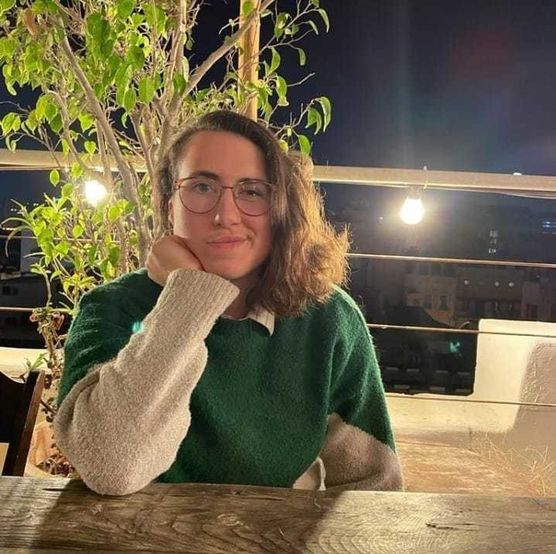
Name: Maya W
Gender: Female
Country of residence: United Kingdom
Writing language: Hebrew
About me: I am multinational young woman who does not like to write but really appreciates AI. I like playing video games, reading and a good cup of tea : )
Read story below!

Story language
Chat GPT, the Talmud and me
התלמוד ואני ,GPTצ'ט
[מאיה כתבה את סיפור חייה באנגלית במקור ובחרה שנתרגם אותו לעברית כשפה שניה.]
[Maya wrote her story in English originally and requested that we publish it in Hebrew as the source language]
מאז שאמא שלי יצרה את פרויקט קליידוסקופ (והשם "קליידוסקופ" היה בעצם הרעיון שלי, אבל, היי, מי צריך קרדיט...:)), היא רצתה שאגיש את הסיפור שלי. מאחר והתחנכתי בבית ספר יהודי, וגדלתי בבית בו לימוד טקסטים יהודים הוא דבר שבשגרה, למדתי על התלמוד, המשנה והגמרא. המשנה בעצם התורה שבעל פה, והגמרא היא אוסף פירושי הכתבים האמורים.
מעולם לא הייתי כותבת גדולה של סיפורים, אבל מאוד התעניינתי ביכולות של AI. אז נתתי ל-Chat GPT את ההנחיה הבאה: "כתוב אוטוביוגרפיה של עד 3000 מילים על צעירה יהודייה בת 20 שכוללת את הנושאים הבאים: גדלה בבית מסורתי ויודעת להוביל תפילות ולקרוא מהתורה, הייתה מעורבת בתנועות נוער במשך כל חייה, מעבר לישראל ומאנגליה פעמיים והאתגרים בלהיות רב לאומית, שהמשפחה שלי תהיה מעורבת מאוד בקהילה היהודית, לגדול כלסבית בבית יהודי תומך". עם ההנחיות הללו הצלחתי ליצור משנה וגמרא אישית שלי, עם טוויסט מודרני.
פרק 1: שורשים בתנועה המסורתית
"המסע שלי מתחיל בקהילה יהודית קטנה אך תוססת, שבה השתייכות לקהילה מסורתית מילאה תפקיד מרכזי בעיצוב הזהות שלי. גדלתי בבית מסורתי שגרם לכך שנחשפתי לשילוב מאוזן של מסורת ומודרניות. ההורים שלי, שניהם מחויבים מאוד לאמונתנו, החדירו בי אהבה ליהדות שחרגה מהטקסטים והטקסים.
מגיל צעיר עודדו אותי לעסוק באמונתי באופן פעיל. בניגוד לכמה מחבריי בזרמים אחרים, הייתה לי הזדמנות ייחודית להוביל תפילות ולקרוא בתורה בעצמי. המעורבות המוקדמת הזו לא רק העמיקה את הקשר שלי ליהדות אלא גם עוררה תחושת אחריות לתרום לקהילה."
מוזר עד כמה חלק מהפרשנות של Chat GPT הייתה מדויקת, למרות שחסרים בה כמה פרטים מרכזיים. בית הכנסת שאליו אני שייכת הוא למעשה בית הכנסת המסורתי (הקונסרבטיבי) הגדול ביותר באירופה, מה שאומר שהייתי מוקפת בהמון אנשים כמוני ויכולתי לפרוח בו בעצמי. אני דוברת עברית ואנגלית, מה שעזר לי בלימוד קריאה מהתורה, אבל תמיד נהניתי מהאתגר והחוויה של לימוד עלייה חדשה (קטע של קריאת תורה) או מהובלת תפילה חדשה.
פרק 2: תנועות נוער ובניית קשרים
"כילדה הצטרפתי בהתלהבות לתנועות נוער יהודיות שונות שהוסיפו מימד חדש להבנתי את היהדות. תנועות אלו סיפקו סביבה שבה יכולתי להתחבר לבני נוער יהודים אחרים, לטפח חברויות לכל החיים ותחושת אחווה. בין אם זה היה השתתפות במחנות קיץ, פרויקטים של שירות קהילתי או השתתפות בדיונים מתחשבים על אמונתנו, לחוויות אלו היה תפקיד מכריע בעיצוב תפיסת העולם שלי.
תנועות הנוער לא רק חיזקו את זהותי היהודית אלא גם הנחילו ערכים של מנהיגות ושירות לקהילה. למדתי להעריך את הגיוון בקהילה שלנו, מתוך הכרה שיש דרכים שונות לבטא את האמונה המשותפת שלנו."
הקטע הזה די קולע. הלכתי למחנות של תנועת נוע"ם (נוער מסורתי) קרוב לעשר שנים כחניכה וגם כמדריכה, ולקחתי חלק בתנועת הצופים הישראלים בבריטניה. בתנועות אלו יצרתי חברויות לכל החיים ולמדתי איך לקחת על עצמי תפקידי מנהיגות. עם זאת, Chat GPT לא ציפה, לדעתי, זה בכל תנועה יש תחושה מתמשכת של אליטיזם – "הזרם היהודי שלנו יותר טוב" וצריך לטפל בזה. לקח לי הרבה שנים להבין שאני לא מכירה מספיק יהודים שונים ממני והתחלתי לשנות את נקודת מבטי על היחסים בין חלקים שונים בקהילה.
פרק 3: סיפור על שני עמים
"חיי קיבלו תפנית משמעותית כאשר משפחתי קיבלה את ההחלטה לעבור לישראל. הסיכוי לחיות בארץ הקודש ריגש אותי, שכן הוא הציע את ההזדמנות לשקוע בתרבות המושרשת עמוק בהיסטוריה המשותפת שלנו. בישראל חוויתי את המרקם העשיר של החיים היהודיים, החל מחקירת אתרים היסטוריים ועד לניהול שיחות עם אנשים מרקעים מגוונים.
עם זאת, החיים מלאים בפיתולים בלתי צפויים, ומצאנו את עצמנו חוזרים לאנגליה. המסע חוצה היבשות הזה לא רק הביא לשינוי בגיאוגרפיה אלא גם הכניס אותי לאתגרים של להיות רב לאומית. הסתגלות לנורמות תרבותיות שונות, מערכות חינוך ויצירת חברים חדשים הפכו לחלק שגרתי בחיי."
פרט גדול שחסר ב-Chat GPT הוא שעברתי לארץ בפעם הראשונה כשהייתי בת 4, אז לא הייתה לי דעה לגבי מעבר לישראל, פשוט ידעתי שאנחנו עוברים. למרבה המזל היתרון בלהיות צעירה כל כך פירושו שלגבי השפה ורכישת חברים חדשים היה תהליך מהיר מאוד, וכשחזרנו לאנגליה, כבר דיברתי אנגלית ולהיות הילדה החדשה נתן לי התחלה קלה לשיחה כדי להכיר חברים בבית הספר החדש שלי. חזרנו לאנגליה כשהייתי בת 9, ממש לפני כיתה ה', אז השנתיים האחרונות של בית הספר היסודי היו הניסיון היחיד שלי בבית ספר לא יהודי. זה נתן לי הזדמנות מצוינת לפגוש אנשים מדתות ותרבויות אחרות, והיה מעניין ללמוד עליהם ואיתם.
פרק 4: ניווט בזהות כיהודיה רב לאומית
"חיים בין שתי מדינות פירושו איזון עדין בין שני עולמות, כל אחד עם מערך הציפיות והנורמות הייחודי שלו. בישראל התענגתי מתחושת השייכות, מוקפת ברוב של יהודים. באנגליה למדתי לנווט בנוף תרבותי מגוון יותר, שבו להיות יהודי היה רק היבט אחד בזהות שלי.
האתגר לשמור על קשר חזק לשורשיי תוך מעורבות עם הסובבים אותי היה כל הזמן נוכח. כל מהלך הביא עמו את ההזדמנות להרחיב את נקודת המבט שלי ולהעמיק את הערכתי למרקם הרב-תרבותי המרכיב את החוויה היהודית בתפוצות."
הקטע הזה פשוט שגוי, חייתי את רוב חיי באנגליה, בבועה מאוד יהודית: בית הכנסת, העבודה, תנועות הנוער ובית הספר התיכון. לקח לי עד שהגעתי לאוניברסיטה לקיים אינטראקציה עמוקה עם לא-יהודים הן בדירה שלי והן בתוך המעגלים בהן השתתפתי. עדיין אכלתי ארוחות שישי בערב בחב"ד, כי בתור סטודנטית באוניברסיטה, מי תסרב לארוחה בחינם (והחברה)? מעולם לא הרגשתי קושי בלשמור על הזהות היהודית שלי באוניברסיטה, הייתי מאוד קולנית ופתוחה לגבי זה סביב חבריי הלא-יהודים והיו לי המון הזדמנויות לתקשר גם עם יהודים אחרים.
פרק 5: מעורבות משפחה וקהילה
"לאורך המסע הזה, המשפחה שלי נשארה אבן פינה לתמיכה. מעורבותם הפעילה בקהילה היהודית חיזקה עוד יותר את תחושת השייכות שלי. השתתפנו באירועים של בתי כנסת, השתתפנו בפרויקטים של שירות קהילתי וחגגנו יחד את החגים. חוויות משותפות אלו לא רק העמיקו את הקשרים המשפחתיים שלנו אלא גם חיזקו את חשיבות הקהילה בחיינו.
הייתי עדה להשפעה החיובית של מעורבות קהילתית ממקור ראשון, שכן תרמנו ליוזמות שונות שמטרתן לתמוך בנזקקים. תחושת האחריות לחולל שינוי בחייהם של אחרים הפכה לעיקרון מנחה עבור משפחתנו, המושרשת בתורת החמלה והצדק בתוך היהדות."
הקטע הזה, לעומת זאת, הוא ממש במקום, הקהילה כן נותנת לי תחושת ביטחון ושייכות, וזה תמיד מצחיק לנסות להסביר את הגיאוגרפיה היהודית לחברים הלא-יהודים שלי, שאיכשהו כולנו קשורים וש 'כן , אני כן מכירה את האדם היהודי היחיד שהלך לבית הספר שלך'. הצלחתי לראות את התרומות שלי לקהילה ממקור ראשון, שכן ביליתי 4 שנים בהדרכת תלמידים לקראת בר ובת המצווה שלהם דרך בית הכנסת שלי וזכיתי לראות אותם מצליחים בסוף.
פרק 6: לחבק את האני האותנטי שלי
"כשניווטתי בין המורכבות של גיל ההתבגרות, התמודדתי עם היבט אחר של הזהות שלי - הנטייה המינית שלי. ההורים שלי, המודרכים על ידי עקרונות האהבה והקבלה בתוך אמונתנו, חיבקו אותי כפי שאני.
בעוד שהתפיסות והקבלה של החברה לגבי אנשים להט"ב+ השתנו לטובה בשנים האחרונות, החינוך היהודי שלי סיפק בסיס איתן של קבלה עצמית וחוסן. ערכי האמפתיה וההבנה, הטבועים ביהדות, אפשרו לי לגשת לשיחות על זהותי בביטחון ובגאווה."
הייתי מודעת למיניות שלי מגיל צעיר יחסית, בסביבות גיל 11, ואני כל כך אסירת תודה על הקהילה בה גדלתי ועל הזוגות החד מיניים הרבים שהיו לי כמודלים לחיקוי שהראו לי שזה בסדר להיות כמו שאני. Chat GPT קיבץ את היהדות כולה במקבלת את אנשי הקהילה ה- LGBTQ+, כאשר המציאות היא מגוונת בין קבוצות שונות בקהילה. עם זאת, ההכלה והקבלה של יחידים עברו התקדמות עצומה במהלך השנים, עד כי כך שהרב הראשי בבריטניה אפרים מירוויס אישר מדריך לבתי ספר אורתודוקסיים עם הנחיות כיצד עליהם לתמוך בתלמידי LGBTQ+, שהיה צעד גדול קדימה עבור הקהילה.
אפילוג: מוקפת באמונה ואהבה
כשאני מהרהרת בשני העשורים הראשונים של חיי, אני רואה שילוב של אמונה, זהות ואהבה. מהובלת תפילות בבית כנסת מסורתי ועד להתמודדות עם האתגרים של להיות רב לאומית, מהאחווה של תנועות נוער ועד לחום המשפחה והקהילה, המסע שלי היה עדות לעושר החוויה היהודית.
בפסיפס של הזהות שלי, להיות יהודית ולסבית הם לא אלמנטים נפרדים אלא חלקים בלתי נפרדים ממכלול הרמוני. הלקחים שנלמדו ממשפחתי, מהקהילה והאמונה שלי ממשיכים להנחות אותי כשאני יוצאת לפרקים הבאים בחיי, בטוחה בידיעה שאהבה, קבלה והכוח המתמשך של השורשים היהודיים שלי יעצבו את הנרטיב שעוד לא יתפתח.
כאשר התלבטתי בניסוח עבור CHAT GPT, החלטתי להתמקד במה שלדעתי הם ההיבטים המשמעותיים של חיי. אבל מה ש-Chat GPT לא ידע עליי הוא כל העבודה שעשיתי בבתי ספר של יום ראשון, מה שהוביל לתפקיד ההוראה הבכיר הנוכחי שלי בבית כנסת ליד האוניברסיטה שלי, או איך תנועת הנוער והעבודה שלי הביאו לכך שאני עכשיו מתנדבת בארגון יהודי שעוזר לחנך בנושאי LGBT+ ברחבי בריטניה.
פרק משמעותי בחיי שלא הוספתי להנחיה הראשונית ל-CHAT GPT היה שנת שלקחתי בישראל במכינה (מכינה קדם צבאית) יחד עם בקבוצה של 50 ישראלים. אחד הדברים הראשונים שאמרו לי ולחברים שבאו מחו"ל היה: "אתם לא ישראלים אמיתיים", וזה היה הלם והרגיש מעליב, אבל זה גרם לי להבין שאחד המאבקים הפנימיים העיקריים שהיו לי בחיים הוא הרגשה כמו אאוטסיידר בכל אחת מהמדינות שבהן חייתי. החיים בישראל במשך שנה יחד עם אנשים בגילי גרמו לי להבין את עומק ההבדלים בין שתי התרבויות שאני חלק מהן ואת האידיאלים והציפיות שיכולים לנבוע משונים חינוך.
אני חושבת שבעוד שבינה מלאכותית היא משאב אינטליגנטי להפליא, היא חסרה את היכולת להכיר סיפורים והשקפות אינדיבידואליות על אירועים ופשוט לא יכולה להבין את החיים של כל אדם בודד. אני ממש נרגשת להמשיך לחיות את חיי כאדם אינדיבידואלי בתוך הפסיפס העצום של סיפורים יהודיים ואני מצפה בקוצר רוח לפרקים הרבים שיבואו.
Chat GPT, the Talmud and me - Introduction
Since my mum created the Kaleidoscope project (By the way, you should know that the Kaleidoscope name was actually my idea, but, hey, who needs credit…: ), she has wanted me to submit my story. Having grown up going to Jewish schools, or discussing different forms of texts at home, I've learnt about the Talmud, the Mishnah and the Gemarah. The Mishnah is the collection of written versions of the oral law, and the Gemarah is the interpretations of said writings.
I've never been the biggest fan of writing, but I have found the capabilities of AI really interesting. So I gave Chat GPT this prompt: “Write an autobiography up to 3000 words about a 20 year old Jewish girl including these topics: growing up in a Masorti household and therefore being able to lead services or read from the Torah myself, being a part of youth movements for all my life, moving to and from Israel and England twice and the challenges of being multinational, having my family be very involved in the Jewish community, growing up gay in a supportive Jewish household” and I’ve managed to create my own personal Mishnah and Gemara, with a modern twist.
“I gave Chat GPT this prompt: Write an autobiography up to 3000 words about a 20 year old Jewish girl."
Chapter 1: Roots in Masorti Tradition
My journey begins in a small but vibrant Jewish community, where the Masorti tradition played a central role in shaping my identity. Growing up in a Masorti household meant that I was exposed to a balanced blend of tradition and modernity. My parents, both deeply committed to our faith, instilled in me a love for Judaism that went beyond the rituals and ceremonies.
From an early age, I was encouraged to engage with my faith actively. Unlike some of my friends in other denominations, I had the unique opportunity to lead services and read from the Torah myself. This early involvement not only deepened my connection to Judaism but also sparked a sense of responsibility to contribute to the community.
Maya's commentary:
It’s strange how accurate some of Chat GPT’s interpretation was, although it’s missing a few key details. The synagogue I belong to is actually the largest Masorti (Conservative) synagogue in Europe, which meant I was surrounded by so many people within my own denomination and was able to flourish in it myself. I speak both Hebrew and English, which made leading services and leyining (reading) from the Torah slightly easier, as I had the foundations for it, but I always enjoyed the challenge and experience of learning a new aliyah (section of Torah reading) or a new prayer to lead.
Chapter 2: Youth Movements and Building Connections
As a child, I eagerly joined various Jewish youth movements that added a new dimension to my understanding of Judaism. These movements provided an environment where I could connect with other Jewish youth, fostering lifelong friendships and a sense of camaraderie. Whether it was participating in outdoor adventures, community service projects, or engaging in thoughtful discussions about our faith, these experiences played a crucial role in shaping my world view.
The youth movements not only strengthened my Jewish identity but also instilled values of leadership and community service. I learnt to appreciate the diversity within our community, recognising that there were various ways to express our shared faith.
The youth movements not only strengthened my Jewish identity but also instilled values of leadership and community service. I learnt to appreciate the diversity within our community, recognising that there were various ways to express our shared faith.
Maya's commentary:
This section pretty much hit the nail on the head. I’ve been going on NOAM camps for almost a decade as both a participant and a leader, and I took part in the Tzofim movement - Israeli scouts in the UK. In these movements, I made lifelong friendships and learnt how to take on leadership roles. However, what Chat GPT got wrong, in my opinion, is that there is an ongoing sense of elitism within religious denominations that needs to be addressed, and it took me many years to realise I had these beliefs and started to change my own point of view on the relationships between different sections of the community.
Chapter 3: A Tale of Two Nations
My life took a significant turn when my family made the decision to move to Israel. The prospect of living in the Holy Land excited me, as it offered the chance to immerse myself in a culture deeply rooted in our shared history. In Israel, I experienced the rich tapestry of Jewish life, from exploring historical sites to engaging in conversations with people from diverse backgrounds.
However, life is full of unexpected twists, and we found ourselves moving back to England. This transcontinental journey not only brought about a change in geography but also introduced me to the challenges of being multinational. Adapting to different cultural norms, educational systems, and making new friends became a routine part of my life.
We moved back to England when I was 9, right before year 5, so the last 2 years of primary school were my only experience in a non-Jewish school. This gave me a great chance to meet people of other religions and cultures, and it was interesting to learn about them.
Maya's commentary:
A big detail missing for Chat GPT is that I moved countries for the first time when I was 4 years old, so I didn’t have an opinion about moving to Israel specifically, I just knew we were moving. Thankfully an advantage of being that young meant that picking up the language and making new friends was a very quick process, and when we moved back to England, I already spoke English and being the new kid gave me an easy conversation starter to make friends in my new school. We moved back to England when I was 9, right before year 5, so the last two years of primary school were my only experience in a non-Jewish school. This gave me a great chance to meet people of other religions and cultures, and it was interesting to learn about them.
Chapter 4: Navigating Identity as a Multinational Jew
Living between two countries meant constantly straddling two worlds, each with its unique set of expectations and norms. In Israel, I revelled in the sense of belonging, surrounded by a majority of fellow Jews. In England, I learned to navigate a more diverse cultural landscape, where being Jewish was just one aspect of my identity.
The challenge of maintaining a strong connection to my roots while embracing the diversity of my surroundings became a delicate balancing act. Each move brought with it the opportunity to broaden my perspective and deepen my appreciation for the multicultural tapestry that makes up the Jewish diaspora.
It took me until I reached university to properly interact with non-Jews both within my flat and within the societies I attended.
Maya's commentary:
This section is just wrong, I’ve lived most of my life in England, in a very Jewish bubble: my synagogue, my work, youth movements and my secondary school. It took me until I reached university to properly interact with non-Jews both within my flat and within the societies I attended. I still had Friday night dinners at Chabad because, as a University student, who would turn down a free meal and nice company! I never felt a struggle to maintain my Jewish identity at University, I was very vocal and open about it around my non-Jewish friends and had plenty of opportunities to interact with other Jews as well.
Chapter 5: Family and Community Involvement
Throughout this journey, my family remained a cornerstone of support. Their active involvement in the Jewish community further strengthened my sense of belonging. We attended synagogue events, participated in community service projects, and celebrated Jewish festivals together. These shared experiences not only deepened our familial bonds but also reinforced the importance of community in our lives.
I witnessed the positive impact of community involvement firsthand, as we contributed to various initiatives aimed at supporting those in need. The sense of responsibility to make a difference in the lives of others became a guiding principle for our family, rooted in the teachings of compassion and justice within Judaism.
it's always funny trying to explain Jewish geography to my non-Jewish friends, that somehow we are all connected and that ‘yes, I do know the one Jewish person that went to your school’.
Maya's commentary:
This section, on the other hand, is spot on, the community does give me a sense of security and belonging, and it's always funny trying to explain Jewish geography to my non-Jewish friends, that somehow we are all connected and that ‘yes, I do know the one Jewish person that went to your school’. I was able to see my contributions to the community first-hand, as I spent 4 years mentoring students towards their Bar and Bat Mitzvah through my synagogue and got to see them succeed at the end.
Chapter 6: Embracing My Authentic Self
As I navigated the complexities of adolescence, I grappled with another aspect of my identity — my sexual orientation. Growing up gay in a supportive Jewish household proved to be a blessing. My parents, guided by the principles of love and acceptance within our faith, embraced me for who I am.
While society's perceptions and acceptance of LGBTQ+ individuals varied, my Jewish upbringing provided a solid foundation of self-acceptance and resilience. The values of empathy and understanding, inherent in Judaism, allowed me to approach conversations about my identity with confidence and pride.
the inclusion and respect of the individuals has hugely improved over the years, with Chief Rabbi Ephraim Mirvis endorsing a guide for Orthodox schools in the UK to know how they should support LGBTQ+ students, which was a great step forward for the community.
Maya's commentary:
I became aware of my sexuality at a relatively young age, around 11 years old, and I am so grateful for the community I grew up in and the many same-sex couples I had as role models who showed me that it wasn’t wrong to be the way I am. Chat GPT has grouped Judaism as a whole in its acceptance of LGBTQ+ individuals, where in reality, it is varied across denominations. However, the inclusion and respect of the individuals has hugely improved over the years, with Chief Rabbi Ephraim Mirvis endorsing a guide for Orthodox schools in the UK to know how they should support LGBTQ+ students, which was a great step forward for the community.
Epilogue: A Tapestry Woven in Faith and Love
As I reflect on the first two decades of my life, I see a tapestry woven with threads of faith, identity, and love. From leading services in a Masorti synagogue to embracing the challenges of being multinational, from the camaraderie of youth movements to the warmth of family and community, my journey has been a testament to the richness of the Jewish experience.
In the mosaic of my identity, being Jewish and gay are not disparate elements but integral parts of a harmonious whole. The lessons learnt from my family, community, and faith continue to guide me as I embark on the next chapters of my life, confident in the knowledge that love, acceptance, and the enduring strength of my Jewish roots will shape the narrative yet to unfold.
When figuring out what to tell chat.gpt, I decided on what I thought were the significant aspects of my life. But what Chat GPT didn't know about me was all the work I’ve done at Sunday schools, which has led to my current senior teaching position at a synagogue near my university, or how my youth movement and work have led to me being a volunteer for a charity helping educate about LGBT+ issues across the UK.
A significant episode of my life that I didn’t add to the initial prompt was the gap year I took in Israel at a mechina (pre-army preparatory programme) as an Israeli ex-pat in a group of 50 Israelis. One of the first things that we ex-pats were told was: “You’re not real Israelis”, which was a shock and felt insulting, but it made me realise one of the main internal struggles I've had in life was feeling like an outsider in either country I lived in. Living in Israel for a year together with people my age made me realise the depth of the differences between the two cultures I’m a part of and the ideals and expectations that can come out of different upbringings.
I think that while AI is an incredibly intelligent resource, it lacks the ability to know individual stories and outlooks on events and simply can’t understand the lives of every single person. I am really excited to keep living my life as an individual person in the vast tapestry of Jewish stories and I look forward to the many chapters to come.
I think that while AI is an incredibly intelligent resource, it lacks the ability to know individual stories and outlooks on events and simply can’t understand the lives of every single person.
Scroll through our most
recent collection below
Your story could be next!

Kaleidoscope is a project of the Rothschild Foundation Hanadiv Europe
- Design by Creative Interpartners
- Website by Beachshore